
News
From Survival to Strength: How Recovery Drop In at Ibrox is Changing Lives
Wed 25th March 2026
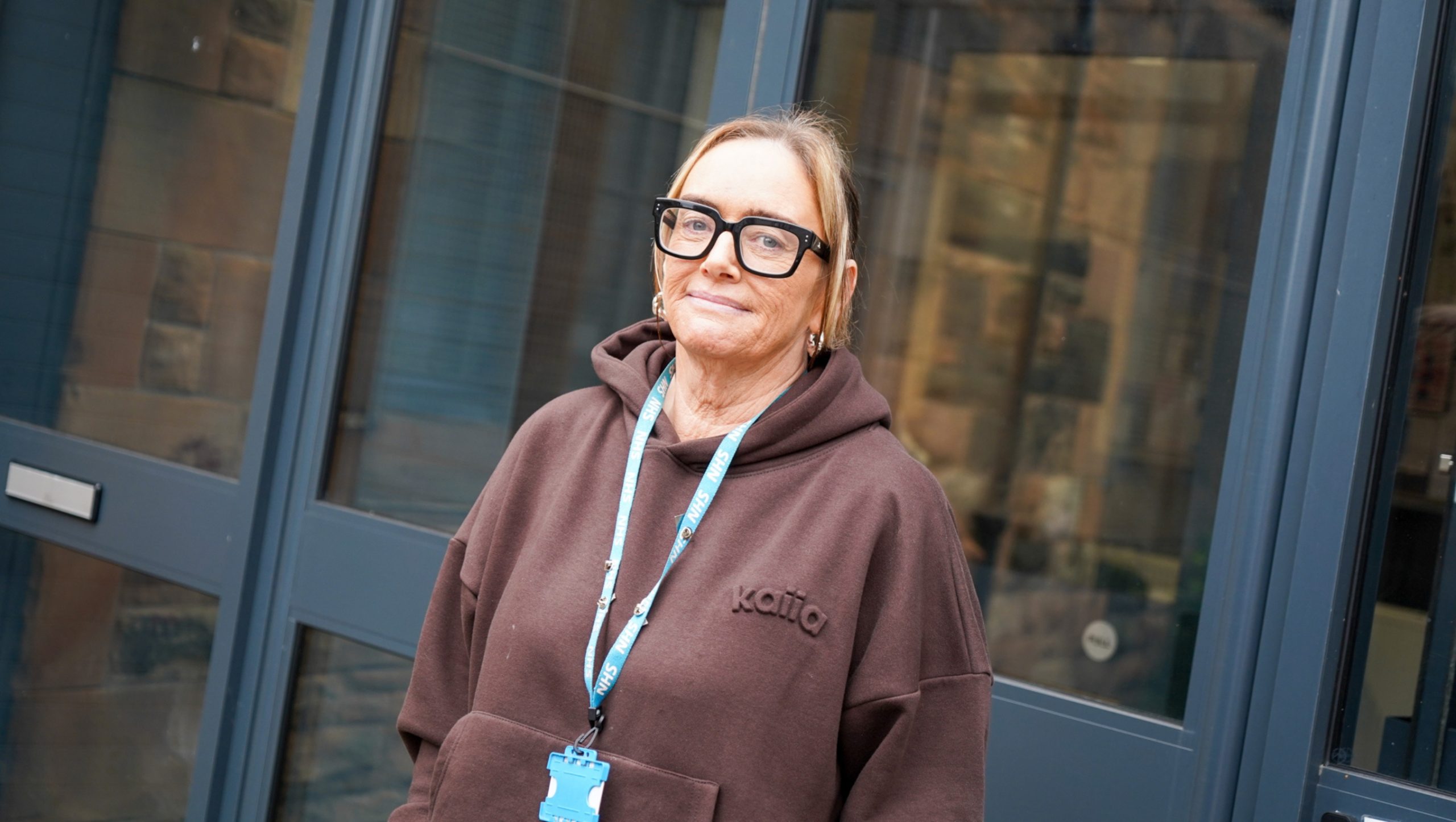
Anna’s journey into addiction began in childhood.
Growing up in the Gorbals, she describes drugs as part of everyday life. “I think I was just a product of my environment,” she says. “Drugs were everywhere. Every family was affected.”
She first used substances at just 12 or 13 years old, and by 17 she was dependent. What followed was more than 30 years of addiction, shaped by trauma, environment and a need to escape how she felt.
“I loved the feeling drugs gave me. They took me away from myself. They gave me confidence, a false sense that I could be anything. But I didn’t like the consequences.”
Those consequences were far reaching. Anna speaks openly about losing herself and the people around her.
“I failed as a daughter, a mother, a sister, a friend. Drugs became my only relationship.”
Her life became defined by isolation, poor mental health and risk. “I was in a really, really dark place. Self-harming, overdoses, hospital visits. I felt completely disconnected.”
A major turning point came after the death of her mum, who she describes as her “backbone”.
“When my mum died, I had nobody. The drugs had stopped working. My mental health was really bad. I wanted to stop but I didn’t know how.”
For years, she had been unable to ask for help. “I saw it as a weakness. You didn’t open up where I came from.”
That changed during a moment with a care worker that she still remembers clearly.
“She asked me, ‘What do you want to do with your life?’ and it just opened the floodgates. I broke down and said, I need help. I can’t keep living like this.”
Anna entered a crisis centre to begin detox, but the fear of returning to the same environment was overwhelming.
“I was terrified of going back out into the community. I’d done a lot of damage to myself.”
It was during this time she was introduced to South Community Recovery Network (SCRN) and, crucially, to the Recovery Drop In at Ibrox, delivered in partnership between the Rangers Charity Foundation and SCRN.
At first, her reason for going was simple.
“I went to Ibrox because it was Ibrox. Because of my upbringing around the football.”
But what she found when she walked through the doors stayed with her.
“The night I went in, I was treated just as Anna. Not as an addict. Not as someone who had done wrong. Just Anna.”
For someone who had spent years feeling judged and stigmatised, that moment mattered.
“I’d felt less than all my life. That night changed that.”
The Recovery Drop In programme at Ibrox offers more than a physical space. It provides a sense of belonging, rooted in community and identity, where people feel safe to begin again.
For Anna, that connection was immediate.
“It was the staff and volunteers. They welcomed me in. Nobody wanted anything from me, they just wanted to see me do well.”
Seeing others further along in recovery also played a crucial role. She recognised familiar faces, including John, someone she had grown up with.
“I saw what John had done with his life and how he’d transformed it. That gave me a wee glimmer of hope.”
That lived experience, people supporting others who have been there themselves, is central to the environment created at Ibrox.
“It’s about the welcome. Sitting down with someone and saying, we know how you feel.”
Anna began volunteering at the Ibrox café, even though at first she struggled with the basics.
“I couldn’t communicate. I couldn’t look people in the eye.”
But through regular attendance and support, she slowly began to rebuild.
“Just that human connection, building relationships with people who wanted to see me do well, it helped my confidence.”
The structure of the Recovery Drop In became essential. Anna threw herself into volunteering, often attending every day.
“I needed routine. I didn’t feel safe in my own company, so I needed to be around people.”
Through her involvement, she developed life skills she had never learned before.
“Shopping, budgeting, preparing food, all of that was alien to me.”
She also began accessing training opportunities linked to the programme, including first aid and mental health training.
“At first I felt intimidated. I felt stupid. I didn’t think I was teachable.”
But with encouragement, that mindset began to shift.
“I realised, I’m not stupid. I am worth this.”
As her confidence grew, Anna took on more responsibility within the cafés, including leadership roles.
What started as simply turning up became something much bigger.
“I started off as a volunteer and slowly progressed. I just loved being part of it.”
She became deeply involved in supporting others, particularly those new to recovery.
“It’s about the new people coming in the door. Making sure they get the same welcome I got.”
The sense of purpose this gave her was life changing.
“My past became my biggest asset. I can sit with someone and say, I know how you feel, because I’ve been there.”
Through her journey with the recovery community, including her time at the Recovery Drop In at Ibrox, Anna began building a future she had never imagined.
“I didn’t realise it at the time, but I was building a CV.”
She completed training, gained qualifications in health and social care and moved into outreach work. From there, she successfully secured a role as a SCRN Development Worker. She now also co-manages the service alongside her childhood friend, John McCann who is the Project Manager.
“I went for the interview, and I was confident because I know the network inside out.”
Her lived experience became her strength.
“I used to be ashamed of my past. Now I’m proud of it because it’s got me to where I am today.”
For Anna, the Recovery Drop In at Ibrox is not just a service, it is a lifeline.
“The network has become like a family.”
That sense of connection is vital in a city where many people continue to struggle. The support offered goes far beyond typical hours.
“We’re not 9 to 5. We’re there all the time.”
That constant presence allows relationships to form and early signs of struggle to be recognised.
But even in difficult moments, including loss, the community supports each other.
“We bounce off each other. That’s what gets you through.”
Anna is clear about the importance of spaces like the Recovery Drop In at Ibrox.
“If someone comes in, has a cup of tea and sits for three hours, that’s three hours they’re safe.”
It is a simple idea, but one that saves lives.
Through the work of Rangers Charity Foundation and its partnership with local recovery networks, people are being given the chance to step away from harm and towards something better.
Anna’s journey, from addiction and isolation to employment and purpose, shows what is possible when the right support is in place.
For her, it all started with walking through the doors at Ibrox.
“That place gave me hope.”
Her message to others is clear.
“You’re not alone. And you’re not beyond help.”
If you would like to attend Recovery Drop In, simply come along to one of the sessions. If you have any questions or would like more information, please get in touch with us on: rangerscharity@rangers.co.uk